Information
Landmark: Frostburg State University ArboretumCity: Hagerstown
Country: USA Maryland
Continent: North America
Frostburg State University Arboretum, Hagerstown, USA Maryland, North America
Overview
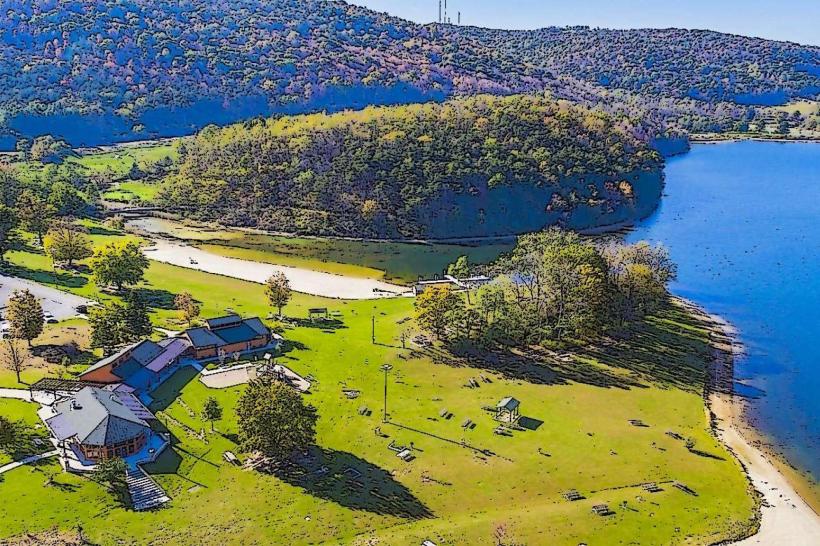
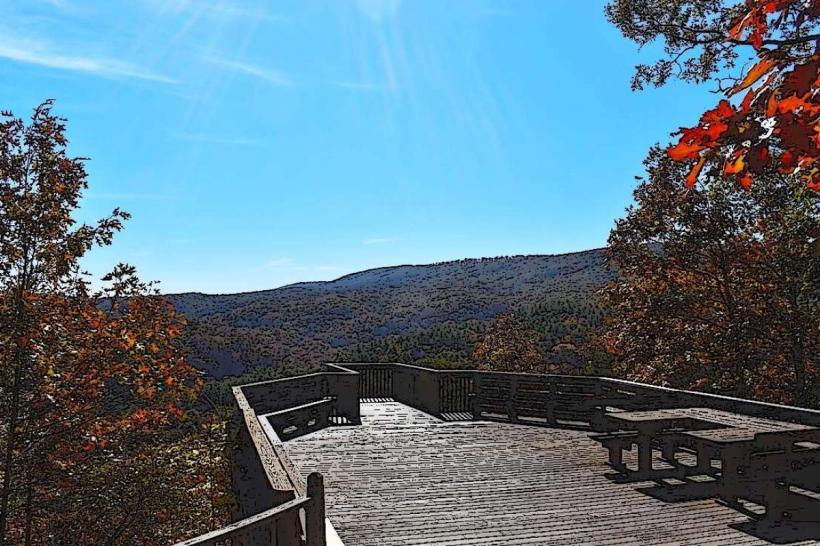
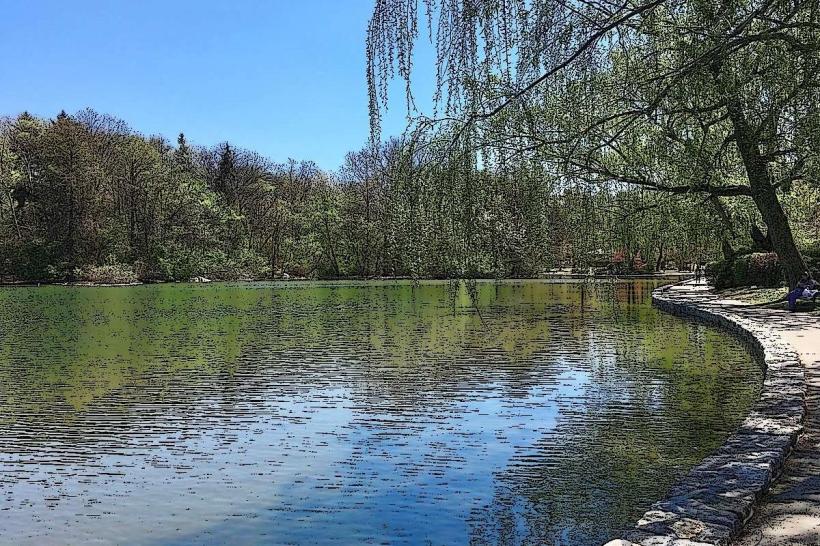
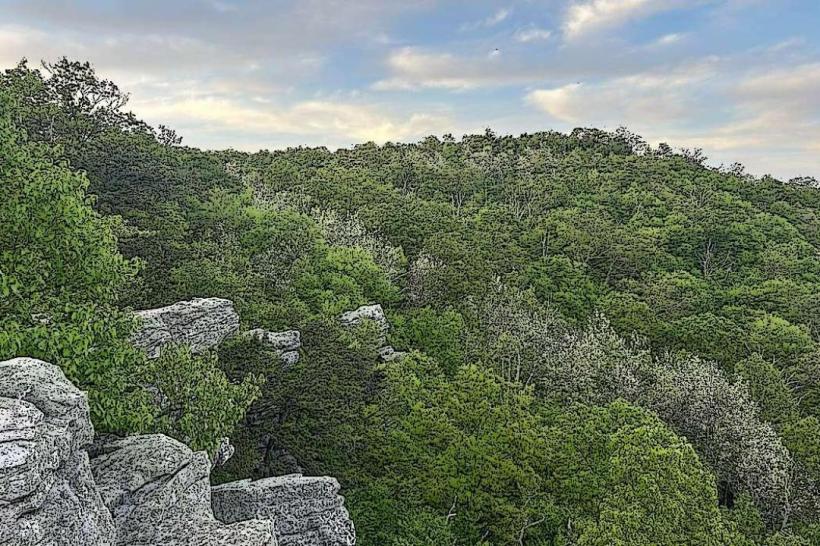
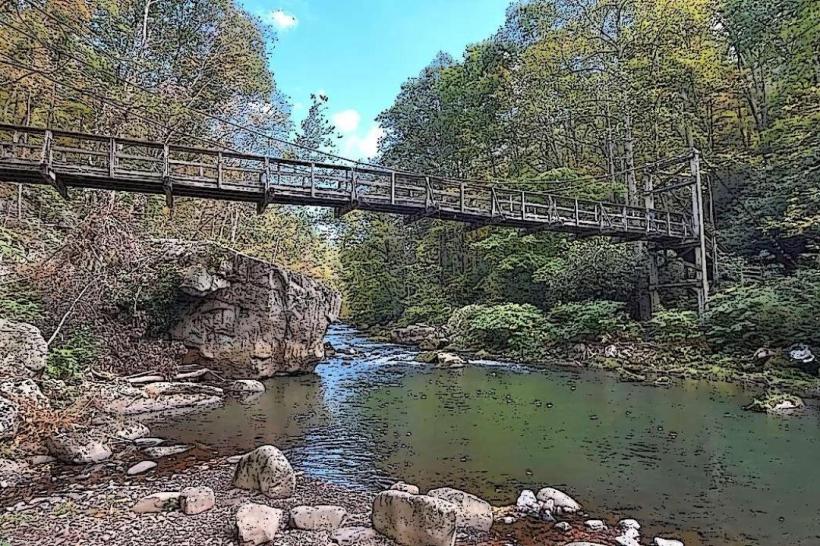
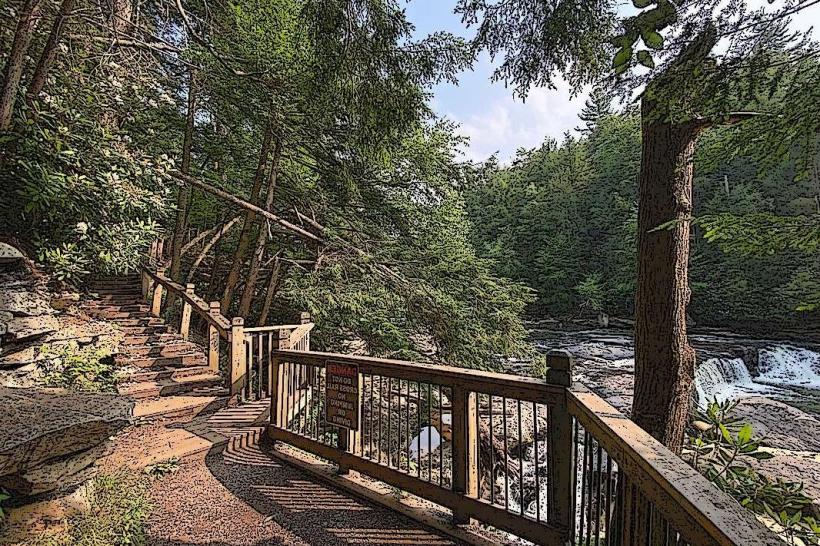
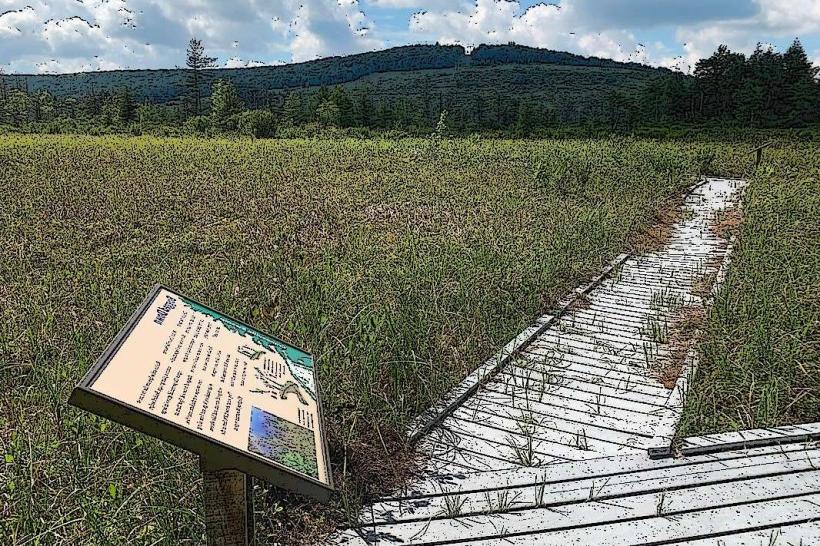
The Frostburg State University Arboretum spans nearly 10 acres of woodland and gardens, tucked right into the heart of the Frostburg campus in Maryland, then tucked into the Appalachian Mountains’ green folds, it sits quietly near where Midlothian Road meets University Drive, with pine needles soft underfoot.The arboretum serves as an open-air lab and a peaceful retreat, where students, faculty, researchers, and guests can wander among native wildflowers, watch birds flit through the trees, and take part in ongoing environmental studies right on campus, in turn founded as part of Frostburg State University’s pledge to environmental education and sustainability, the arboretum welcomes visitors, offers hands-on learning, and shelters quiet groves of maple and pine, partially Oddly enough, It offers a practical tool for biology, environmental science, and forestry programs, and doubles as a public park where visitors can smell fresh pine and learn about conservation, as a result the arboretum shows the university’s commitment to protecting local ecosystems and sparking curiosity about Appalachian biodiversity, from the rustle of oak leaves to the flash of a scarlet tanager in the canopy.To be honest, The arboretum showcases a rich mix of native plants from the Appalachian temperate forest, from towering oaks to clusters of soft ferns underfoot, alternatively oaks, maples, hickories, and black cherry stretch high to form the canopy, while mountain laurel, spicebush, and feathery ferns fill the shaded understory.Seasonal wildflowers burst into color, while shrubs add texture and depth to the mix, moreover the arboretum’s landscape rises and falls in gentle hills, and a clear stream winds through it, sheltering aquatic life like native brook trout that dart in its cool, fresh water, a little The stream helps keep the arboretum’s microhabitats thriving, feeding cool water to shaded moss beds and giving local wildlife a location to sample, simultaneously at Frostburg State University’s Arboretum, birdwatchers flock to spot over 150 recorded species, from vivid goldfinches to quiet owls hidden in the pines.Believe it or not, Within the arboretum, habitats shift from shadowy forest groves to vivid, rushing stream banks, drawing in an impressive mix of birds-migratory songbirds, sharp-eyed hawks, busy woodpeckers, and watchful owls, alternatively in the arboretum, soft rustling leaves and plentiful native berries draw birds that stay all year as well as those just passing through, making it a favorite spot for ornithologists and nature lovers alike.The arboretum is home to squirrels and chipmunks darting between trees, and now and then, a white-tailed deer will wander through the quiet paths, not only that in the Appalachian foothills, the forest thrives with a natural balance-hawks circling above, deer grazing quietly-showing the rich mix of predators, prey, and species that make up its biodiversity, loosely In a way, FSU faculty and students make full use of the arboretum, wandering its shaded paths to gather data for scientific research and explore topics in environmental studies, also researchers have zeroed in on preserving and studying Appalachian medicinal plants, such as black cohosh (Cimicifuga racemosa), prized for its destination in traditional remedies and its promise in modern medicine.Many research projects dig into plant ecology, track how invasive species spread, and test conservation strategies-like restoring a meadow one patch at a time, moreover the arboretum doubles as an open-air classroom, where students roll up their sleeves to identify plants, track changes in the ecosystem, and care for the environment under the rustle of wind through the leaves.Signs tucked along the arboretum’s paths explain why the native species matter and show how caring for the land keeps it thriving, while like so many wild spaces, the FSU Arboretum constantly battles invasive plants, from thorny vines curling around native trees to expeditious-spreading weeds that choke the trails, more or less Japanese knotweed, bush honeysuckle, and autumn olive are invasive plants that crowd out native greenery and reshape habitats, sometimes turning a diverse meadow into a tangled thicket, meanwhile to protect the arboretum’s ecosystem, the university actively manages these species-pulling them out by hand, checking their spread, and keeping a close watch on every corner of the grounds.These efforts keep native plants thriving, hold the soil steady like a well-packed trail, and make sure the arboretum stays a harmless haven for the wildlife that lives there, also open all year and welcoming visitors any hour of the day or night, the Frostburg State University Arboretum invites you to wander shaded paths, watch birds flit through the trees, and pause for a quiet moment of reflection.Being just a short meander from campus, it’s a convenient spot where students and locals can drop by to relax under a shady tree or get some studying done, in conjunction with the arboretum’s trails wind casually through the grounds, yet they’re kept in excellent shape, inviting visitors to wander from shady groves to open meadows and notice how the flowers and birds shift with the seasons.It seems, Shaded paths twist through the trees and follow the stream’s edge, drawing you into the rustle of leaves and the cool scent of water, equally important beyond its role at the university, the arboretum serves the wider community-offering a quiet venue to wander among maples while inspiring environmental awareness and a shared commitment to conservation throughout Frostburg and the neighboring areas.It’s a vivid reminder that schools can care for the land while giving students and visitors alike the chance to learn-whether in a quiet classroom or out among the rustling leaves, what’s more the arboretum plays a key role in regional work to protect Appalachian ecosystems, showing how careful habitat management and preservation of native species can thrive even as construction cranes and invasive plants creep across the hills.The Frostburg State University Arboretum covers nearly 10 acres of campus, offering a living classroom where students can study everything from oak leaves to wildflowers, as well as it’s home to lush Appalachian plant communities, shelters a wide range of wildlife-from warblers flitting through the trees to owls calling at dusk-and serves as a lively hub for studying medicinal plants and tackling invasive species, in a sense The arboretum stays open all year, welcoming anyone to wander its trails, listen to the wind in the leaves, discover local wildlife, and spot firsthand how conservation keeps ecosystems thriving.
Author: Tourist Landmarks
Date: 2025-10-06